Vent-A-Hood Light Flickering — When the Diagnosis Is Right But the Fix Is Wrong
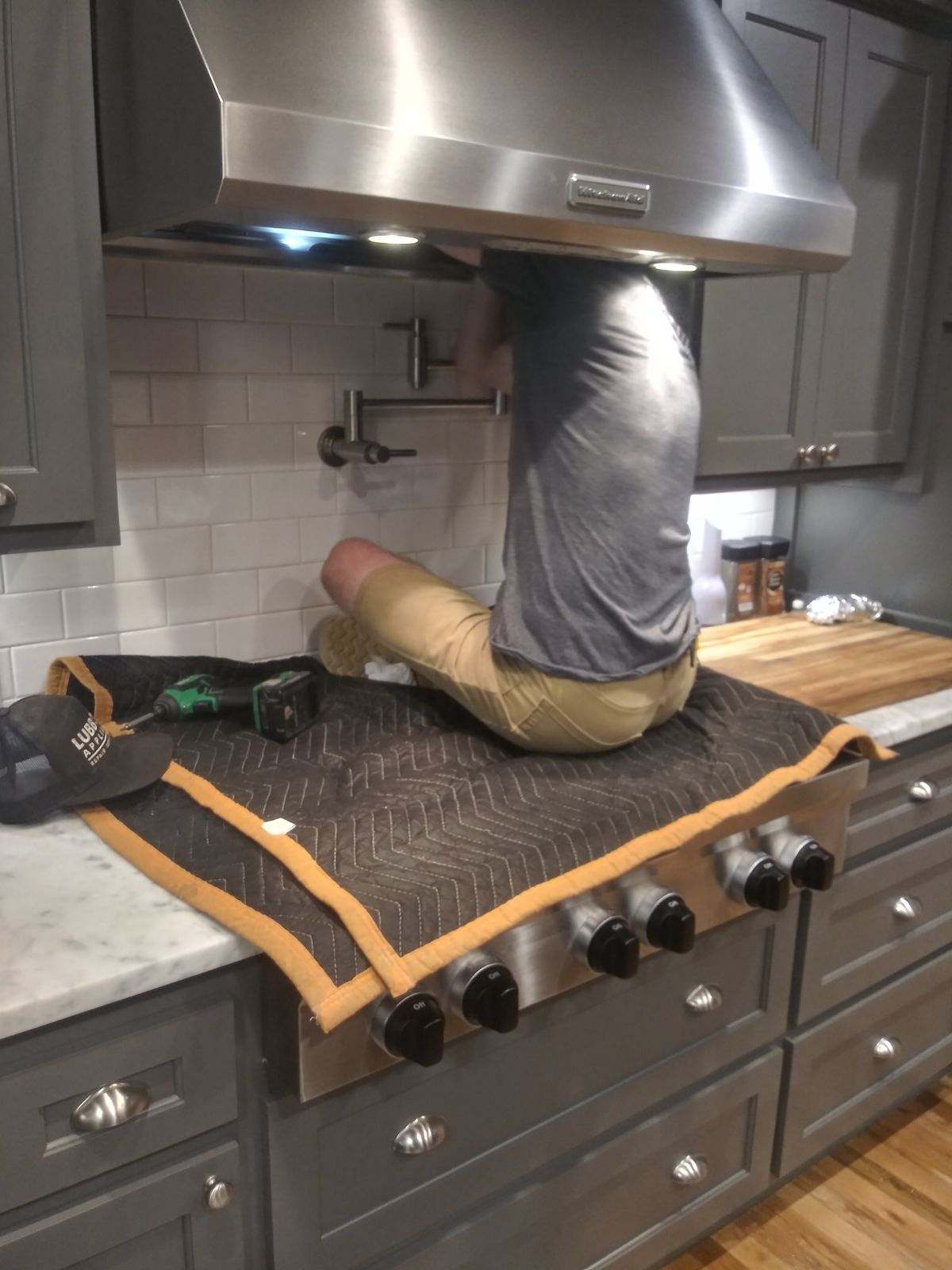
Today I worked on a Vent-A-Hood range hood. The customer’s complaint was simple: the lights were flickering.
I take a look, and the only thing controlling power to these lights is a 3-way light switch — low, off, high. That’s a common failure point, and I happened to have one on the truck. I explained my diagnosis to the customer, gave him a quote, and he approved the repair.
Swapped the switch. Turned the lights on. Still flickering.
That’s the moment where the wrong technician packs up and says “well, I replaced the part.” We don’t do that.
I called tech support to talk it through. The tech asked me about the bulbs. Turns out the customer had installed LED replacement bulbs — but they weren’t dimmable LEDs. I had assumed they were the original halogen bulbs (the hood was designed for halogens). A 3-way switch is essentially a dimmer circuit — it varies the voltage to change brightness. Non-dimmable LEDs don’t handle variable voltage well. They flicker.
The fix? Either install dimmable LED replacement bulbs, or switch back to halogen (which are getting harder and harder to find at Home Depot or Lowe’s these days). The customer had already ordered dimmable bulbs online and was ready to install them himself.
Now here’s the part that matters: the customer got ready to pay for the switch replacement. I told him no. The repair didn’t fix the problem. He’d already taken care of the service fee for the diagnosis, but I wasn’t going to charge him for a part replacement that didn’t solve his issue. That’s how we operate — no fix, no pay.
Was the switch replacement technically the right call based on what I could see? Arguably, yes — it was the only electrical component in the circuit, and it was the most likely failure point. But the result is what matters, and the result was the same flickering lights. The real cause was a bulb compatibility issue that only became clear after the switch was ruled out.
Why Non-Dimmable LEDs Flicker on Dimmer Circuits
A 3-way range hood switch (low/off/high) works by varying voltage — similar to a standard dimmer switch. Dimmable LEDs have internal drivers designed to handle that variable voltage smoothly. Non-dimmable LEDs, on the other hand, expect full voltage at all times. When they receive reduced voltage through a dimming circuit, they interpret it as an unstable signal. The result is visible flicker.
This applies to range hoods, vent hoods, and any fixture with a multi-level or low/high switch. If you’ve swapped your halogen bulbs for LEDs and they flicker, check whether the replacements are rated as dimmable. It’s usually right on the package or the bulb spec sheet. If they’re not marked dimmable, that’s likely your problem — and it’s an easy fix that doesn’t require a service call.
In this case, we were able to rule out a bad switch, identify the real cause, and give the customer a clear path to the actual fix. That’s what a proper diagnosis looks like for range hood and oven repair in Lubbock.
Having an issue with your range hood, oven, or cooktop? We diagnose before we replace — and if the repair doesn’t fix it, you don’t pay for it. Learn more about our range hood and oven repair services or get in touch to schedule a visit.